





Traces in the sea

ecosystems to Save

A campaign for the sea

Human activities have seriously endangered the health of our beaches and seas, fragile ecosystems severely affected by the spread of marine litter and marine heatwaves.

Thanks to research, today we have the tools to detect these phenomena by following the traces they leave on land and at sea, allowing us to identify the causes of the main threats faced by natural habitats and their biodiversity.

The challenge of our campaign, and of each of us, is to find these traces to save our sea.

Follow the
traces
left by humans

Traces of
marine litter

Micro- and macro-plastic litter has invaded our seas and beaches.

We have created a kit for collecting plastics on the beach following a scientific protocol.

Find the closest kit to you and take part in the research.

Traces of lost
nets

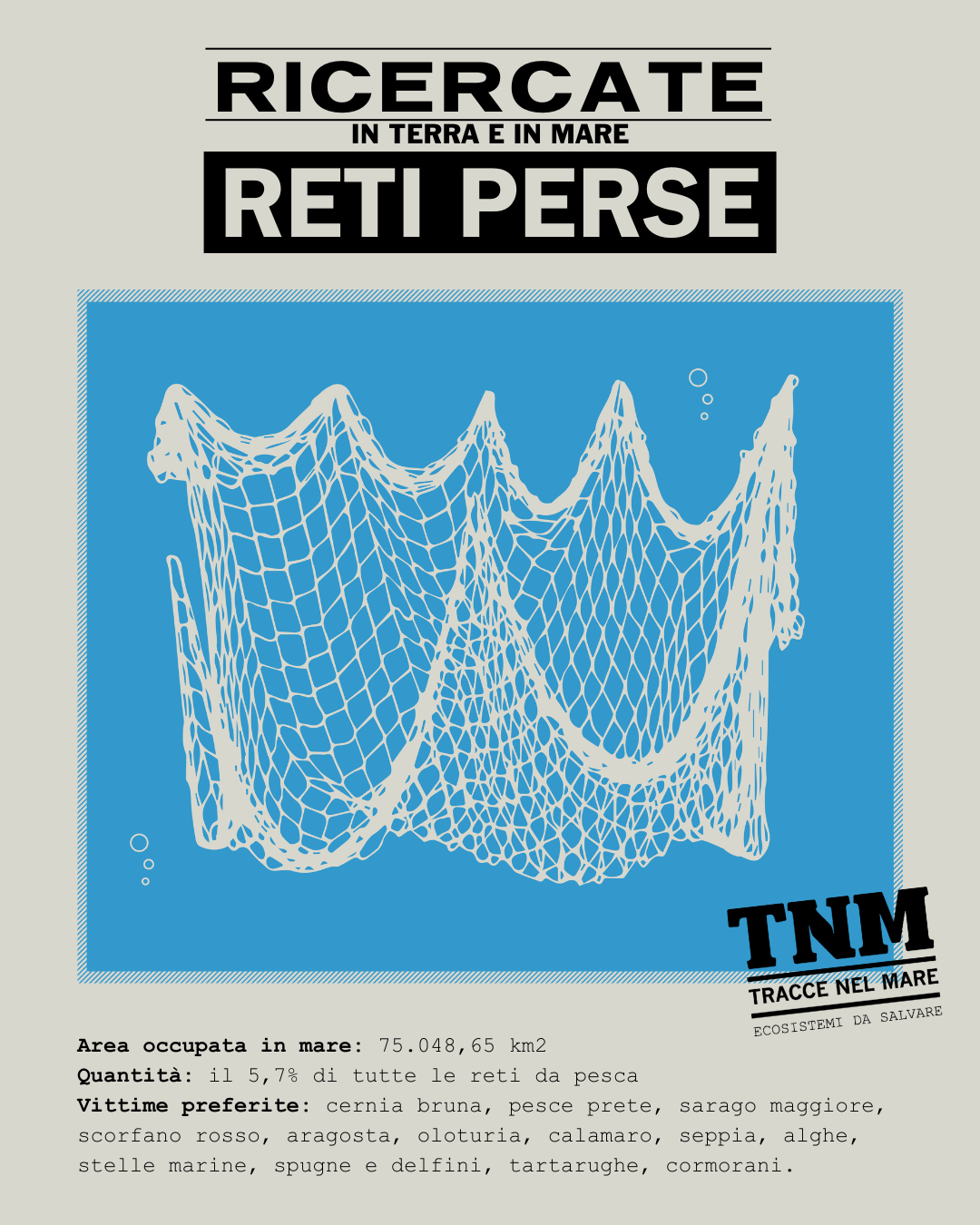
Lost or abandoned fishing nets in the sea kill and trap thousands of organisms every year.

On retiperse.it you can report abandoned nets and help the authorities take action.

What’s in
the kit and
how it
works

Where
to find
the beach
cleaning kits

Packages delivery

AMP Isola di Ustica

AMP Capo Milazzo

Area Marina Protetta Plemmirio

Area Marina Protetta Isole Egadi

Help us find
the sea that
has disappeared

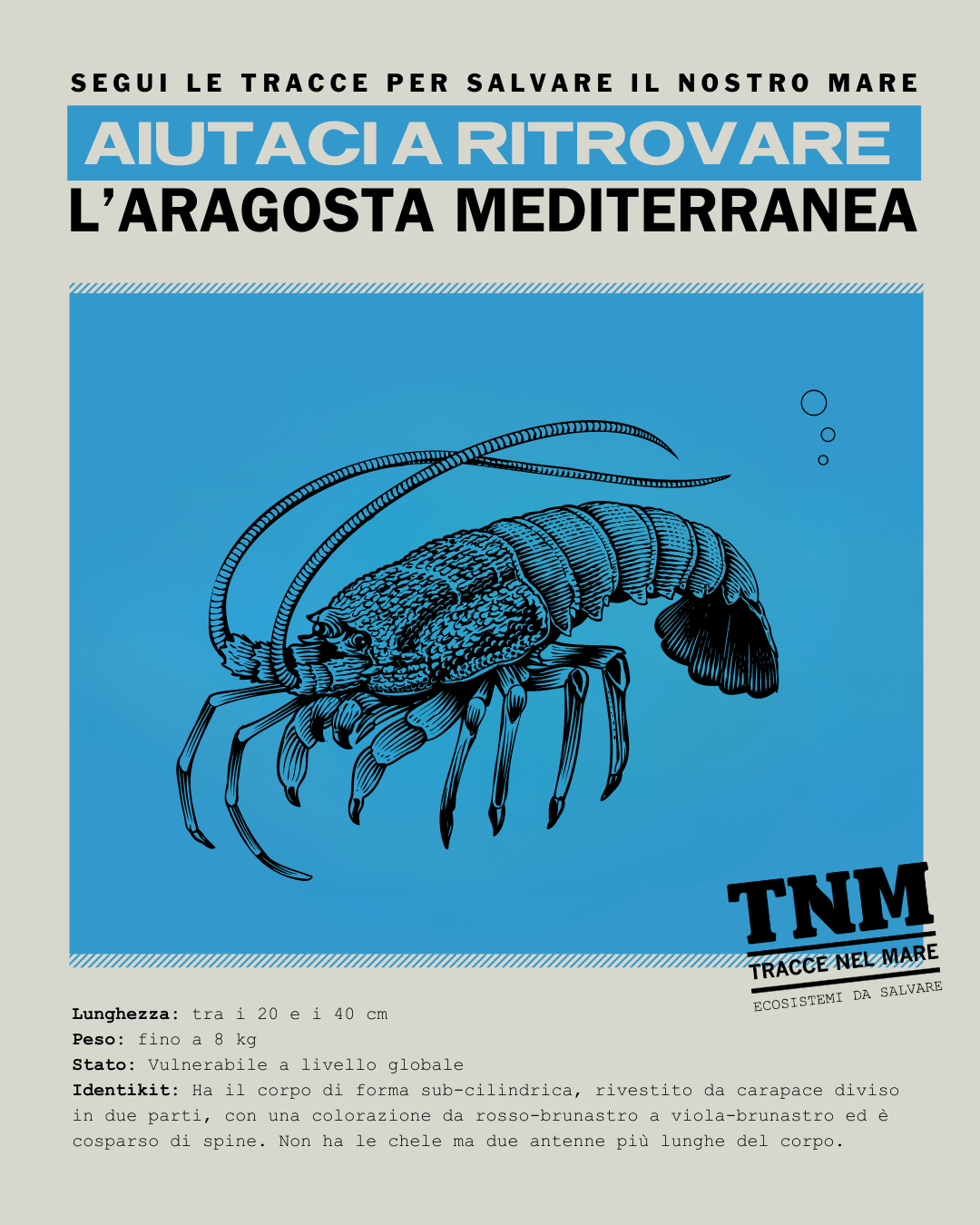
aragosta

Lobster

In the Mediterranean, it is estimated that the population has declined by 30% to 50% over the past 20 years. The lobster is often a victim of accidental capture in ghost nets and non-selective fishing activities. The increase in sea temperatures has negative effects on the post-larval stages of this species, compromising swimming performance and making it difficult for larvae to reach coastal rocky habitats and, therefore, to survive.
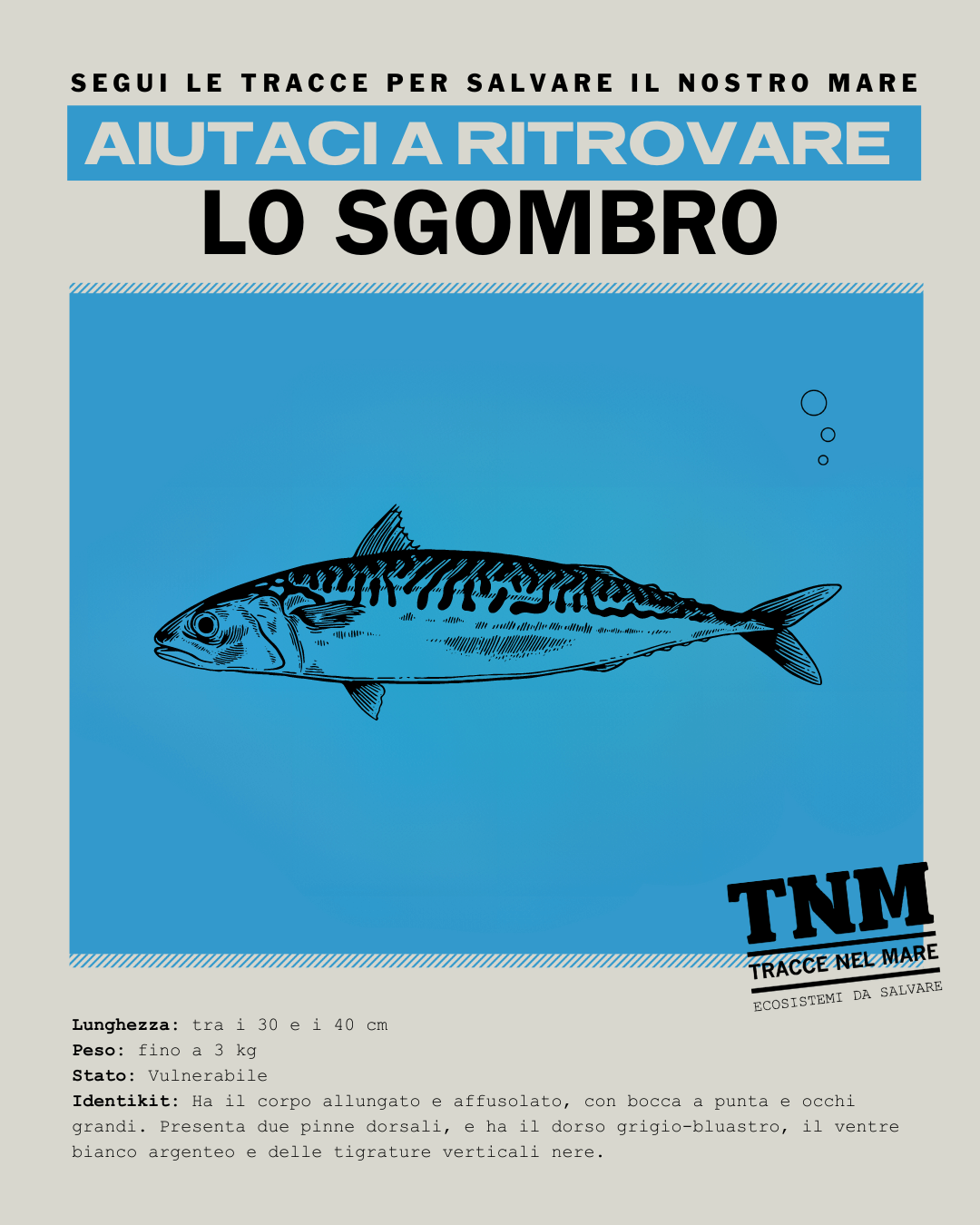
sgombro

Mackerel

A decline of at least 30% of the population has been estimated over the last three generations. The main threats driving the reduction of mackerel populations are excessive fishing pressure and the current warming phase of the Mediterranean, which negatively affects the species while favouring the thermophilic congener Scomber japonicus (chub mackerel).

Riccio di mare

In the Mediterranean, it is threatened not only by non-selective and illegal fishing. A necessary condition for the sea urchin Paracentrotus lividus to successfully reproduce is that water temperatures remain between 13.5 and 18 °c, which also represent the optimal developmental temperatures for its larvae. These conditions are now seriously at risk due to increasingly frequent anomalous marine heatwaves, which severely threaten larval survival.
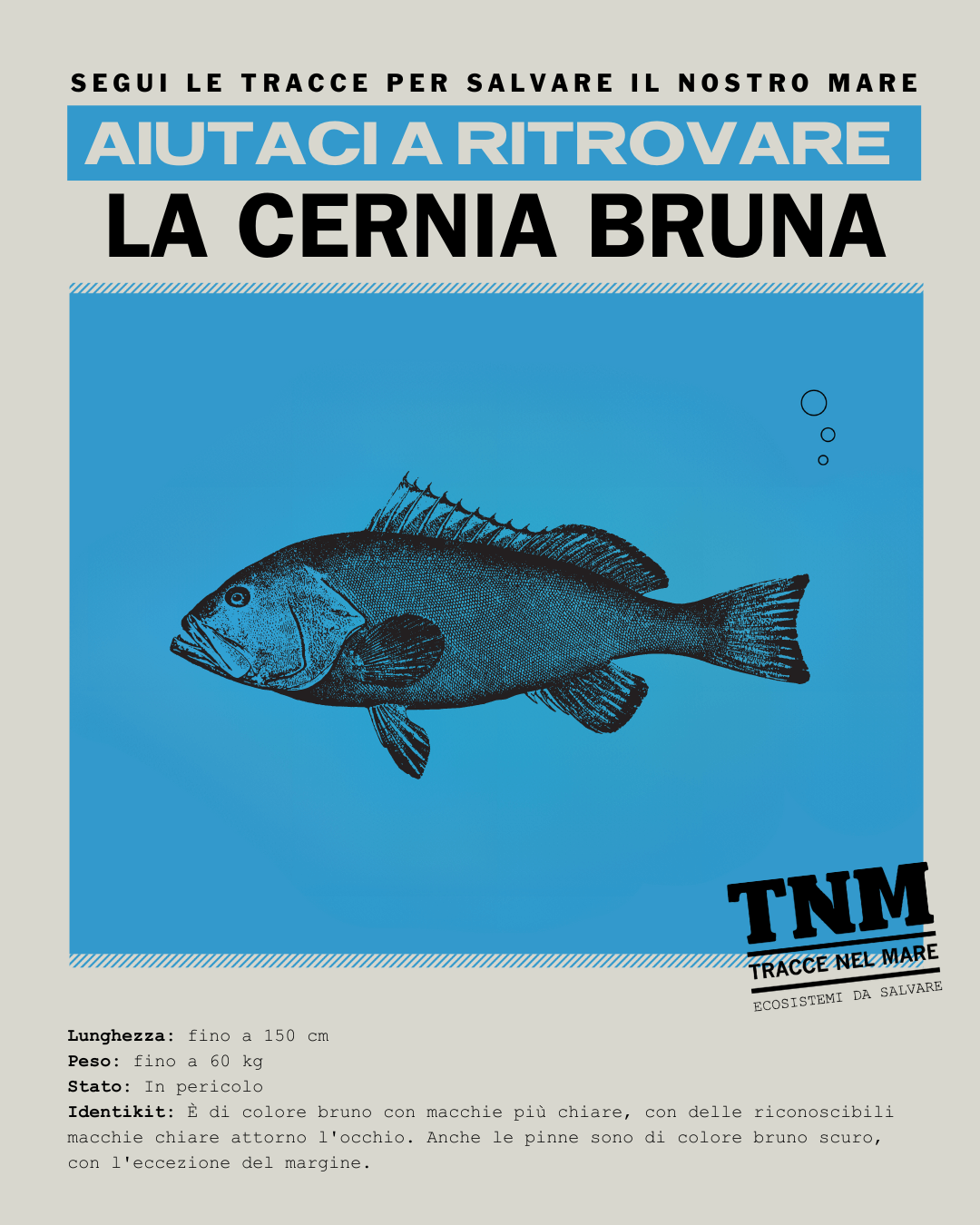
cernia

Brown grouper

A reduction of at least 50% of the global brown grouper Epinephelus marginatus population has been estimated over the last 34 years. The reproduction of this species takes a very long time, making it extremely vulnerable to intensive fishing, but this is not the only threat it faces. The brown grouper is also one of the main victims of ghost nets.

A ghost
haunts
the bottom
of the sea

Lost or abandoned fishing nets are carried by the currents, continuing to “fish” without control for decades and killing thousands of organisms.

Go to retiperse.it and start reporting nets.

Play "Traces in the sea"

the online game that introduces you to three marine environments
that are sensitive to climate change.
Discover what Posidonia oceanica is,
find the maerl on the seabed
and the vermetid reef.

Traces in the sea is a campaign within CapSenHAR, a project funded by Interreg VI-A Italy-Malta, the european territorial cooperation programme involving Sicily and Malta, co-funded by the european union through the european regional development fund.

Building on the strategic results of the previous projects Harmony and SenHAR, which addressed marine biodiversity loss and public awareness, CapSenHAR extends to a broader spatial scale, including several cross-border marine areas and involving a larger number of stakeholders to raise awareness on the importance of protecting the environment and contributing to halting marine biodiversity loss.

The project serves as a model for future communication and outreach activities at local, national and international scale, acting as a hub of cross-border knowledge to foster a future network of initiatives aimed at generating knowledge and increasing public engagement in the territory.

The Department of Earth and Marine Sciences (DiSTeM) of the University of Palermo (unipa) is the lead partner of the CapSenHAR project, ensuring effective coordination and guiding the consortium towards the achievement of its objectives, in collaboration with the university of Malta (um) and Stazione Zoologica Anton Dohrn of Naples (szn).

Results

Retiperse

“Retiperse” has made it possible to report, and therefore record, the presence of four ghost nets within the mpa capo gallo–isola delle femmine. the reporting of the nets was accompanied by a set of information requested on the “retiperse” portal, useful for assessing the level of danger posed by ghost nets to the ecosystem. specifically, the reported ghost nets were all located at an average distance of about 250–300 m from the coast and at depths between 55 and 30 m. in this area, the seabed is characterised by rocky bottoms offshore, where all the nets became entangled. one of the nets was in a state of “passive fishing”, meaning it showed marine organisms such as octopuses, trapped crustaceans, and starfish covering and often caught in it. all ghost nets showed less than 50% coverage by fouling organisms.
Beach cleaning

What are the most common items in the marine litter that now covers our beaches? The beach-cleaning activities carried out by the partners and final beneficiaries of CapSenHAR have revealed the list of objects that represent—consistently across all surveyed beaches—80% of marine litter. In first place, we find cigarette butts (accounting for 30% to 45% of all waste found), followed by plastic fragments between 2.5 and 50 cm in size (25% to 30% of total waste; including plastic bottle caps, snack wrappers, lollipop sticks, spoons and cutlery, rigid non-expanded plastic food containers, and plastic beverage bottles). In third place are paper fragments and other paper items (including tissues, wet wipes, and receipts; 6% to 9% of total waste). Among the most commonly found items: plastic cups and lids (up to 5%), and metallic bottle caps and can tabs (up to 3%).